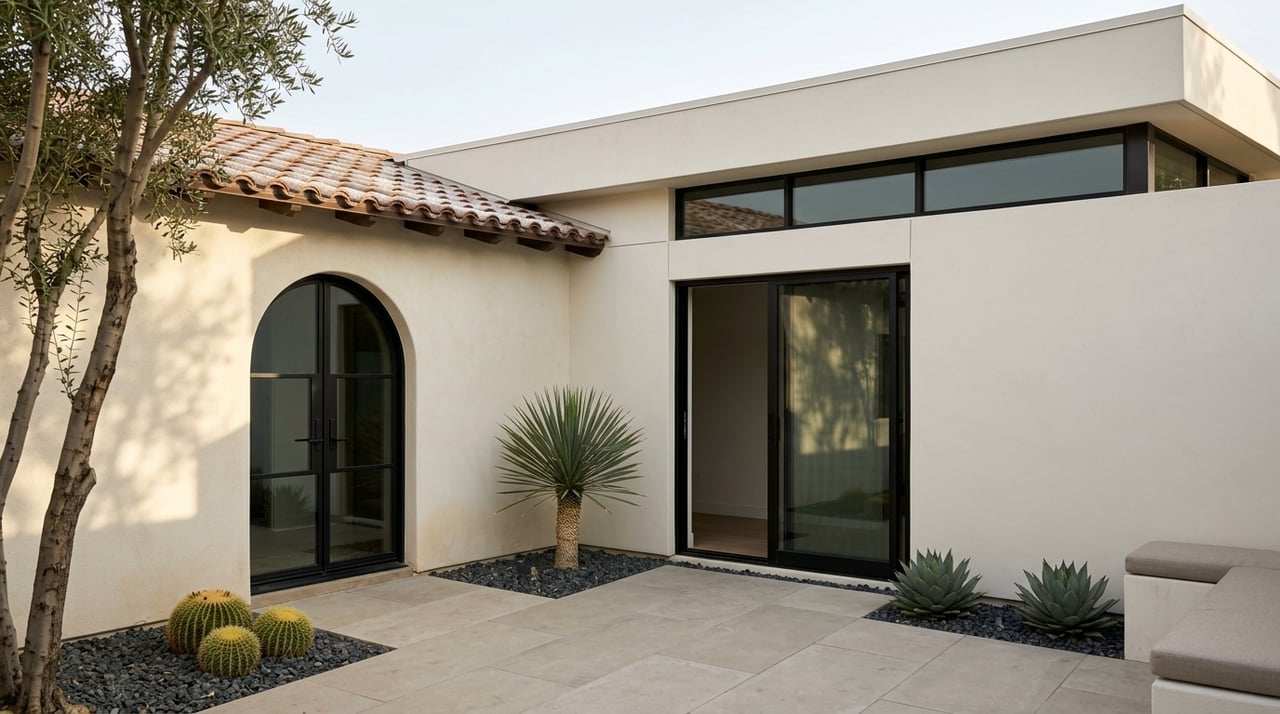
If you love your address but not your house, you are not alone. Many homeowners in Biltmore and Arcadia reach a point where the big question is simple: should you remodel and stay, or sell and move? The right answer depends on your home, your budget, and what you need next. In this guide, you’ll see how local market data, renovation payback, and moving costs can help you make a smarter decision. Let’s dive in.
Why Biltmore and Arcadia Need a Local Lens
Biltmore and Arcadia sit in the same general part of Phoenix, but they are not interchangeable markets. In February 2026, Arcadia had a median sale price of $1.63M, a median of 80 days on market, and a 95.0% sale-to-list ratio. Biltmore posted a median sale price of $1.1M, a median of 44 days on market, and a 96.1% sale-to-list ratio, according to Redfin neighborhood market data.
At the ZIP level, 85016 looked different again. Realtor.com’s 85016 overview showed a median listing price of $599.5K, 322 homes for sale, a 98% sale-to-list ratio, and a median of 66 days on market, with the ZIP classified as balanced.
That gap matters. If you rely on a broad Phoenix estimate or even a ZIP-wide number, you can miss what buyers are really paying for in your pocket of Biltmore or Arcadia. In these micro-markets, pricing, condition, design level, and presentation can shift your outcome enough that neighborhood-specific comps should come first.
When Remodeling Makes More Sense
Remodeling often wins when you still like your location and your home already works in the ways that matter most. If your layout is mostly functional and your issues are tied to finishes, flow, or dated rooms, targeted updates may solve the problem without the cost and friction of moving.
Phoenix data supports that approach. In the 2025 Cost vs. Value report for Phoenix, smaller and more focused projects delivered stronger returns than major expansions.
Best-payback projects in Phoenix
Here are some of the standouts from the Phoenix data:
- Minor kitchen remodel: $28,333 cost, $30,899 resale value, 109.1% recoupment
- Midrange bath remodel: $23,627 cost, 79% recoupment
- Garage door replacement: $5,033 cost, $12,495 resale value, 248.3% recoupment
- Steel entry door replacement: $2,394 cost, $4,645 resale value, 194.1% recoupment
These are metro-wide averages, not guarantees for every home. Still, they point to a practical pattern: if your home needs a refresh rather than a reinvention, selective updates may be the more efficient move.
Remodel if your home needs better, not bigger
Remodeling is usually easier to justify when your goals sound like this:
- You want a more current kitchen or bath
- You want stronger curb appeal
- You want a better use of existing space
- You do not need a major increase in square footage
- You love your lot, street, or location
In many Biltmore and Arcadia homes, buyers notice finish level and condition quickly. That means thoughtful improvements can matter, especially if they bring the home closer to what the local market expects.
When Moving May Be the Better Choice
If your home no longer fits your life in a bigger way, moving may be the smarter path. This is especially true when the changes you need involve adding substantial square footage, changing the overall floor plan, or shifting to a different lot or home type.
The same Phoenix Cost vs. Value data shows why. Bigger projects had much weaker payback.
Lower-payback projects to watch carefully
- Major kitchen remodel: $81,274 cost, 46.9% recoupment
- Accessory dwelling unit: $157,321 cost, 45.4% recoupment
Those numbers do not mean you should never take on a large project. They do mean you should be careful about assuming a large renovation will come back to you at resale. If you need significantly more room or a truly different layout, buying a home that already solves the problem can be the better financial decision.
Don’t Forget the Permit and Project Burden
A remodel is not just a design decision. In Phoenix, it can also become a logistics and compliance project.
According to the City of Phoenix residential additions and remodels page, permits are required for many remodel and addition projects, including garage or carport conversions, porch enclosures, patio covers, fences, and walls. The city also requires plan review, inspections, and final sign-off. Work must begin within six months of permit issuance, or the permit can expire.
If your property is designated historic, exterior changes and demolition requests receive additional review. For some homeowners, that process is manageable. For others, the timeline, disruption, and uncertainty can tip the scale toward moving instead.
What It Really Costs to Move
Selling is not free, even in a solid market. If you move, you need to account for commissions, possible concessions, preparation costs, and the reality that homes may take time to sell.
Realtor.com’s 85016 market overview notes that typical total real estate commission ranges around 5% to 6%, often split between the seller’s and buyer’s agents. Based on the pricing points in this market, that can add up quickly:
- On a $599.5K sale: about $30K to $36K
- On a $1.1M sale: about $55K to $66K
- On a $1.63M sale: about $81.5K to $97.8K
That is before repairs, concessions, and other closing-related costs. Realtor.com also notes that seller concessions can be limited to 3% to 6% depending on loan type.
Selling is realistic, but not frictionless
The local data suggests buyers are active, but homes still need to be priced and presented well. Realtor.com classifies 85016 as balanced, with a 98% sale-to-list ratio and a median of 66 days on market. Redfin also shows homes averaging about 5% below list price in Arcadia and about 3% below list price in Biltmore, with market times in the high-50-day range in the neighborhood data.
In plain terms, you can sell, but you should not assume a fast or effortless outcome. Good prep, smart pricing, and patience still matter.
How to Compare Remodel vs. Move
The clearest answer usually comes from side-by-side math. Before you make a decision, your analysis should answer four practical questions.
1. What is your home worth as-is?
Start with a realistic current value based on nearby comps in your specific part of Biltmore or Arcadia. This is the number that anchors every other choice.
2. What could it sell for after updates?
Not every dollar spent translates into a higher sale price. A strong local analysis should estimate what buyers in your micro-market are likely to pay for your home after a realistic improvement plan.
3. What will the remodel really cost?
You need the full number, not just contractor pricing. Include permit requirements, timing, inspections, design decisions, possible overruns, and the cost of living through the disruption if you stay during the work.
4. What would you net if you sold and bought another home?
This is where many homeowners find clarity. Compare your estimated sale proceeds after commissions and likely sale-related costs with the cost of your next purchase. That helps you see whether moving gives you a better long-term fit, even if the transaction costs are meaningful.
A Simple Decision Framework
If you want a practical shortcut, these guidelines can help.
Remodel may make sense if:
- Your current location still works well for you
- Your layout is mostly functional now
- Your updates are cosmetic or moderate in scope
- You want to improve finish level, flow, or curb appeal
- Your project lines up with the stronger-return categories in Phoenix data
Moving may make sense if:
- You need a different floor plan
- You need substantially more space
- You want a different lot, setting, or home type
- Your remodel would involve a major addition or low-recapture project
- You want to avoid permits, inspections, and a long construction timeline
Why a Micro-Market Strategy Matters
This decision is personal, but it should also be local. In Biltmore and Arcadia, broad numbers can hide the details that affect your result. One street, one finish level, or one outdated floor plan can change how buyers respond.
That is why a neighborhood-level strategy matters. When you compare your home’s as-is value, realistic post-remodel value, and true moving costs, you can make a decision based on facts instead of guesswork.
If you are weighing whether to remodel or move in Biltmore or Arcadia, Mike Brooks can help you evaluate your home’s current value, the likely return on targeted improvements, and the best path for your next move.
FAQs
What is the difference between the Arcadia and Biltmore housing markets?
- Arcadia and Biltmore are both higher-value Phoenix submarkets, but they move differently. In February 2026, Arcadia had a median sale price of $1.63M and 80 days on market, while Biltmore had a median sale price of $1.1M and 44 days on market, according to Redfin.
What remodels have the best resale return in Phoenix?
- Based on Phoenix 2025 Cost vs. Value data, smaller projects performed better than major expansions. Strong examples include a minor kitchen remodel, garage door replacement, steel entry door replacement, and a midrange bath remodel.
What remodels have lower payback in Phoenix?
- Major kitchen remodels and accessory dwelling units showed much lower recoupment in the Phoenix data set, at 46.9% and 45.4% respectively.
What permits are required for Phoenix remodel projects?
- The City of Phoenix requires permits for many residential remodels and additions, including garage or carport conversions, porch enclosures, patio covers, fences, and walls. Projects also require plan review, inspections, and final sign-off.
What does it cost to sell a home in 85016?
- Realtor.com reports that typical total commission in 85016 is about 5% to 6%. On higher-priced homes in Biltmore or Arcadia, that can translate to tens of thousands of dollars before other sale-related costs.
How do you decide whether to remodel or move in Biltmore or Arcadia?
- A strong comparison should look at your home’s as-is value, potential value after updates, total remodel cost, and your likely net if you sell and buy another home. That side-by-side analysis usually makes the best path clearer.