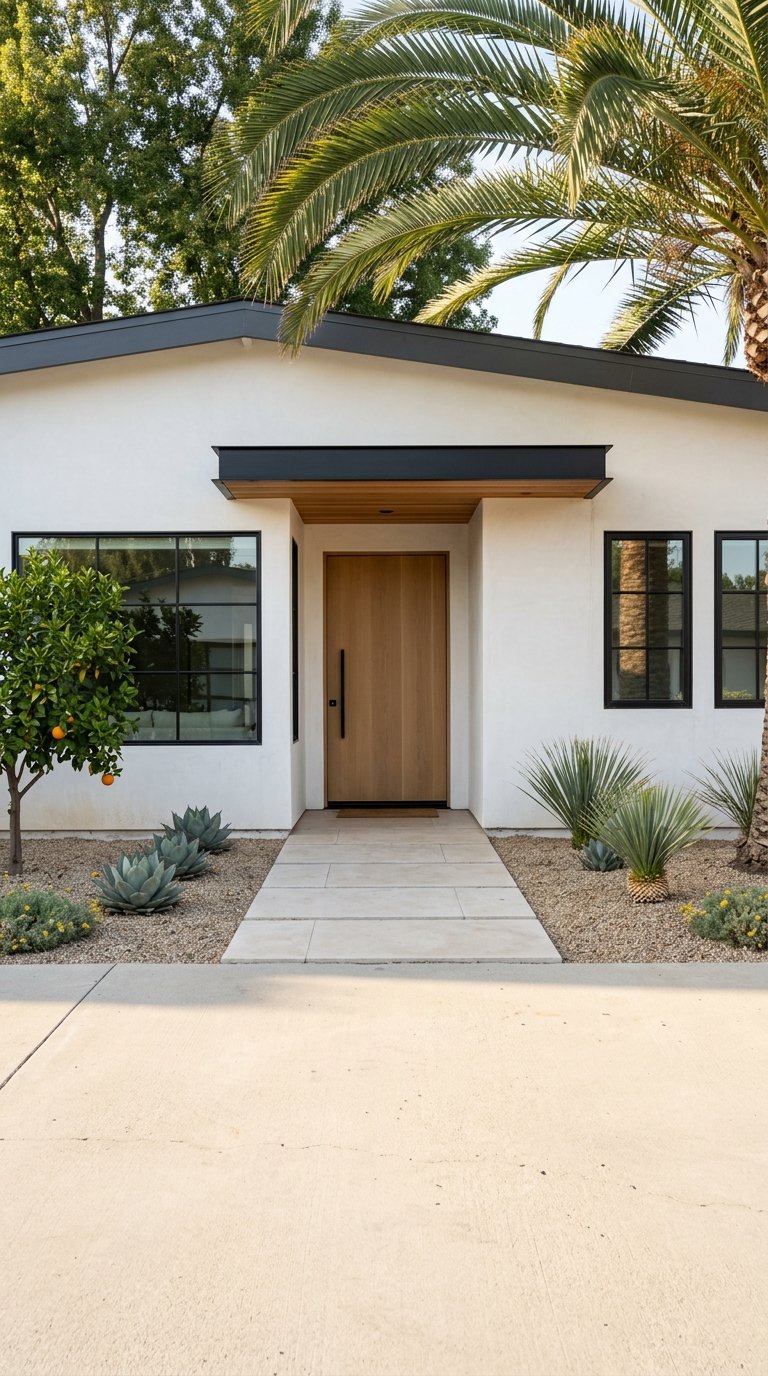
If you are searching in Arcadia, you are not just choosing a house. You are choosing a mix of lot size, character, updates, and long-term flexibility in one of Phoenix’s most established neighborhoods. That can feel exciting and a little overwhelming, especially when two homes with similar square footage can offer very different value. This guide will help you compare the main Arcadia home styles so you can match the right property to your budget, lifestyle, and plans. Let’s dive in.
Why Arcadia Feels Different
Arcadia is a mature, largely built-out Phoenix neighborhood, not a one-size-fits-all housing tract. In the commonly recognized core, the area is generally described as north of the Arizona Canal and south of Camelback Road, between 44th Street and Scottsdale Road.
A major share of the housing stock in the broader Camelback East area was built between 1950 and 1970. That history helps explain why postwar ranch homes remain such a defining part of the Arcadia market today.
Arcadia’s original development also shaped what buyers value most here. Early plats featured large parcels, underground irrigation, generous setbacks, mature trees, and citrus-grove roots, which is why outdoor space and lot utility still matter so much when you compare homes.
The Three Main Arcadia Home Styles
Most buyers in Arcadia are really choosing among three paths. You may prefer a classic ranch, a remodeled property, or a new construction home.
Each option comes with a different balance of charm, convenience, and cost. The best fit depends on whether you care most about land, turnkey condition, or newer systems.
Classic Ranch Homes
Classic ranch homes are central to Arcadia’s identity. These properties are usually single-story with a low-profile layout and often sit on older, landscape-rich parcels that give you the outdoor appeal many buyers want in this neighborhood.
The biggest draw is usually the lot. If you want mature trees, broader lawns, more breathing room, or a home you can gradually personalize, a ranch can be a strong match.
The tradeoff is that many classic ranch homes need some level of updating. That may mean older finishes, less open floor plans, or systems that are not as modern as what you would find in a newer home.
Remodeled Arcadia Properties
A remodeled home can give you the best of both worlds. You may get the lot and location advantages of an older Arcadia property, plus updated kitchens, baths, and a more current layout.
For many buyers, this is the sweet spot. You can enjoy the neighborhood’s established feel without taking on a full renovation right away.
Still, not all remodels are equal. Some are mostly cosmetic, while others include deeper structural or system improvements, so it is important to understand exactly what was changed.
New Construction Homes
New construction in Arcadia is usually tied to infill development or teardown-and-rebuild projects. These homes often appeal to buyers who want a modern living experience, newer systems, and stronger energy performance.
If your priority is turnkey comfort, this option can be very attractive. A newer build may also reduce near-term maintenance compared with an older home that needs ongoing updates.
The tradeoff is that you may pay a much higher entry price. You may also see less mature landscaping, since many new homes replace older improvements on long-established lots.
How to Match Style to Your Priorities
The easiest way to narrow your search is to be honest about what matters most to you. In Arcadia, style choice is usually less about appearance alone and more about how you want to live in the home over time.
Choose a Ranch If You Want Land and Character
A classic ranch often makes sense if you care most about lot size, outdoor space, and long-term customization. This path can be ideal if you are comfortable making updates over time and want to shape the property around your own taste.
In Arcadia, that can be especially meaningful because the neighborhood’s large-lot history is part of its appeal. You are often buying into the setting as much as the house itself.
Choose a Remodel If You Want Balance
A remodeled property can fit you well if you want Arcadia location and character with less immediate work. It offers a practical middle ground between original-condition homes and brand-new construction.
This option can also make budgeting easier in the short term. You may still want to plan for future improvements, but you are less likely to face a long to-do list right after closing.
Choose New Construction If You Want Turnkey Living
New construction is often the best fit if your priority is modern design, updated systems, and a home that feels move-in ready from day one. If you prefer spending your first years in the home enjoying it rather than improving it, this path may be the clearest match.
For buyers focused on comfort and convenience, newer homes can be appealing for practical reasons as well. In many cases, they offer better durability and energy performance than older housing stock.
Why Lot Value Matters So Much in Arcadia
In Arcadia, two homes can seem similar at first glance but carry very different value. That is because buyers are often paying for more than square footage alone.
The Maricopa County Assessor notes that valuation can be influenced by lot size, zoning, topography, view, livable square footage, and other property components. In a neighborhood with a strong large-lot identity, those factors can have a real impact on how one property compares with another.
Recent neighborhood data also show Arcadia as a premium micro-market, with a median listing price around $2.00 million, 112 homes for sale, a median 62 days on market, and a 96% sales-to-list ratio. In that kind of market, condition and lot utility tend to carry real weight.
What to Check Before You Buy
Arcadia’s charm comes with important homework. If you are considering a remodel, addition, or teardown, you should verify the property details before assuming what is possible.
Confirm Zoning and Parcel Details
Do not rely only on marketing language when lot size or build potential matters to you. Confirm parcel boundaries and dimensions through Maricopa County Assessor records.
That extra step can help you avoid surprises later. It is especially useful in Arcadia, where lot utility is often a major part of the purchase decision.
Review Historic and Planning Constraints
Not every Arcadia property can be changed the same way. Phoenix says exterior changes to properties listed on the Phoenix Historic Property Register require design review, and certain exterior work tied to permit applications requires either a certificate of appropriateness or a certificate of no effect.
The city also notes that listed properties are protected from demolition and other adverse alterations through a special development review process. If you are buying with plans for major exterior changes, verify whether the parcel is subject to a historic designation or overlay before moving forward.
Understand the Area’s Low-Density Planning Context
The Arcadia Camelback special district plan describes the area as a mature neighborhood and states a policy goal of sustaining residential character and maintaining low density. Zoning changes are not prohibited, but the city says they should be evaluated for neighborhood stability.
That means redevelopment is possible, but it is not purely market-driven. If your purchase depends on a future expansion or rebuild strategy, you should evaluate that path carefully before you buy.
Budget Beyond the Purchase Price
Your monthly payment is only part of the real cost of ownership. Buyers should also plan for taxes, insurance, HOA dues where applicable, repairs, and future improvements.
This matters even more when you compare Arcadia’s three main home styles. A classic ranch may offer more land and character but require more work, while a newer build may reduce near-term maintenance but come with a much higher upfront price.
A remodeled property often falls somewhere in the middle. Even then, it is smart to set aside room in your budget for items that may not be obvious during a first showing.
A Simple Way to Decide
If you are torn between options, try framing the decision as a three-way tradeoff. Choose a classic ranch if your priority is land, character, and the ability to customize. Choose a remodeled property if you want Arcadia location with less immediate work. Choose new construction if you want turnkey performance, newer systems, and a more modern living experience.
That kind of clarity can save you time and help you focus on the homes that truly fit your goals. In a neighborhood as distinct as Arcadia, the right choice is usually the one that aligns best with how you want to live, not just what looks best in photos.
If you want a practical, neighborhood-specific strategy for buying in Arcadia, Mike Brooks can help you compare properties, assess tradeoffs, and move forward with confidence.
FAQs
What is the most common home style in Arcadia?
- Many Arcadia homes reflect postwar ranch-era design, which fits the area’s large share of housing built between 1950 and 1970.
What should you look for in an Arcadia remodeled home?
- You should verify the quality and scope of the renovation, including whether updates were cosmetic or included structural work, system upgrades, and proper permits.
Why are lot sizes so important in Arcadia?
- Lot size is a major part of Arcadia’s identity because the neighborhood developed with large parcels, generous setbacks, mature landscaping, and citrus-grove roots that still shape buyer demand.
Can you tear down and rebuild a home in Arcadia?
- Some properties may allow that path, but you should first verify parcel-specific zoning, planning constraints, and whether historic review or overlay rules apply.
Is new construction in Arcadia always the best choice?
- Not necessarily. New construction may offer newer systems and turnkey living, but it often comes with a higher entry price and may have less mature landscaping than older properties.
How should you budget for an Arcadia home purchase?
- You should budget for more than the mortgage payment, including taxes, insurance, HOA dues where applicable, repairs, and future improvements based on the home’s condition and style.