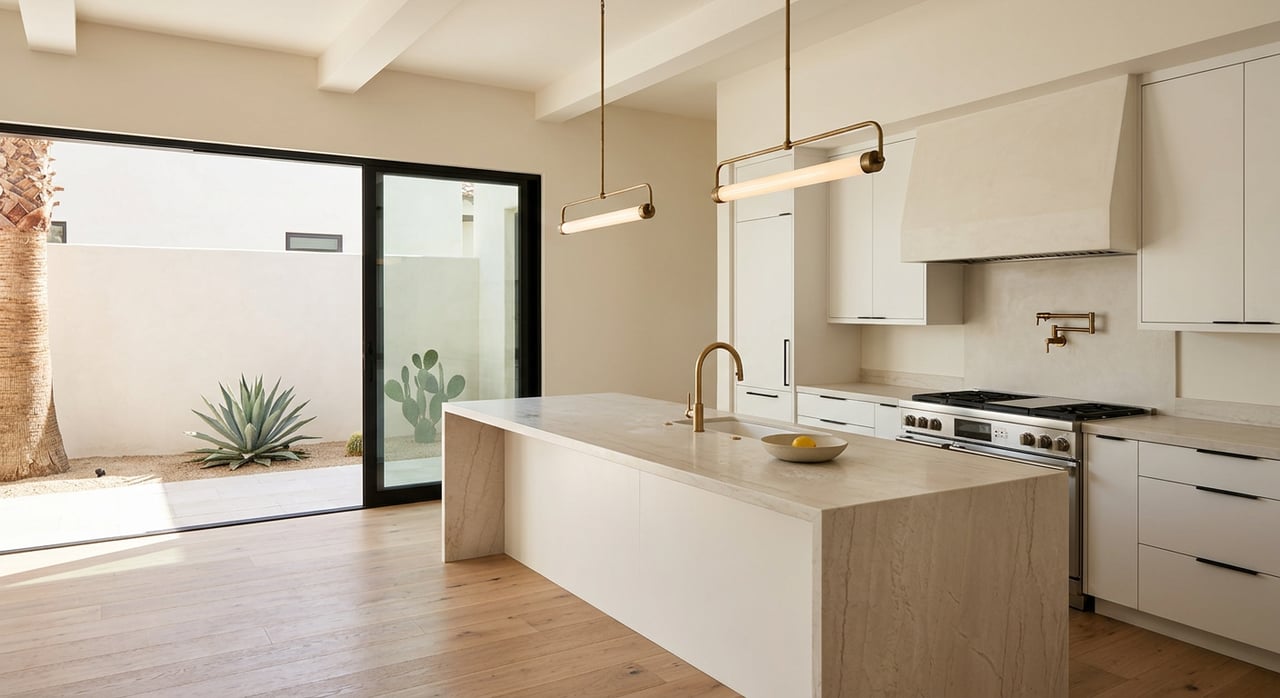
Buying a first luxury home in Biltmore can feel exciting and a little overwhelming. You want the central 85016 lifestyle, the polished finishes, and a home that fits your next chapter. In this guide, you’ll learn what “luxury” means in Biltmore, how jumbo financing works, how to craft a winning offer, what to inspect in older vs newer homes, and the HOA rules that can affect your deal. Let’s dive in.
What “luxury” means in Biltmore (85016)
Biltmore sits in a central Phoenix corridor known for convenience, resort amenities, and tree‑lined residential streets. As of early 2026, broad market medians in 85016 hover in the mid‑$500Ks when you combine condos, townhomes, and smaller single‑family homes. That median does not describe the luxury tier.
In Phoenix, a practical entry point to luxury begins around the seven‑figure mark. In Biltmore, many move‑up buyers shop roughly in the $1 million to $3 million range for updated single‑family homes, with larger or trophy properties trading above that. Your personal definition of luxury should focus on the features you value most, like lot size, architectural style, indoor‑outdoor flow, or proximity to shopping and dining.
Finance your first luxury purchase
Conforming vs jumbo in 2026
The 2026 baseline conforming loan limit is $832,750 for a one‑unit property in Maricopa County. Loans above that amount are typically considered jumbo or non‑conforming, which changes the underwriting path and documentation you will need. Review the current limit directly from Fannie Mae’s announcement so you know where your loan amount will fall: 2026 conforming loan limit confirmation.
What this means for you: many Biltmore purchases at or above $1 million require jumbo financing. Expect a different approval process than a typical conforming loan.
Jumbo loan basics
Jumbo programs often expect higher credit scores, larger down payments, and documented cash reserves. Many lenders price most competitively at 20 percent down, though some programs allow lower down payments for well‑qualified borrowers. Underwriting can be more detailed and timelines may be longer. For a helpful overview, see how jumbo mortgages work.
Pro tip: ask your lender for full pre‑underwriting, not just pre‑qualification. A strong, fully verified approval will help your offer stand out with Biltmore sellers.
Appraisals and gap planning
Unique or high‑end homes can be harder to appraise because there are fewer direct comparables. Your lender will base the loan on the appraised value, not the contract price. Discuss appraisal‑gap strategies with your agent and lender before you write an offer. You can set a capped amount you are willing to cover if the appraisal comes in short or plan to renegotiate based on findings. Always match your contract language to your actual cash reserves and lender requirements.
Month‑to‑month costs to budget
Include property taxes, homeowners insurance, and utility loads in your monthly budget. Pools, extensive landscaping, and older mechanical systems can raise ongoing costs. Ask your insurance agent for quotes early, especially if the home has specialty features or a complex roof system.
Write a winning offer in Biltmore
Show strength beyond price
Price matters, but so does certainty. Offers backed by full pre‑underwriting, a clear loan program, and an accessible lender contact often rise to the top. Shorter inspection and loan timelines can help, but weigh the risk carefully before tightening contingencies.
Use escalation and appraisal‑gap language with care
Escalation clauses can help in multiple‑offer scenarios. If you include an appraisal‑gap clause, cap your exposure at a number you can comfortably cover. Confirm that your lender approves the structure before you submit.
Earnest money and contingencies
Higher earnest deposits signal commitment. Limited‑contingency or non‑contingent offers can be persuasive, but only waive protections if you fully understand the financial risk. Your agent should explain, line by line, what each contingency protects and what you give up if you remove it.
Flexibility wins deals
In the luxury segment, timelines often matter more than a small bump in price. Being flexible on closing, offering a short post‑closing occupancy, or structuring a seller rent‑back can make your offer the easy choice without overpaying.
Quiet listings and private showings
Some higher‑end sellers prefer discreet marketing. Ask your agent to tap local broker networks and alert you to off‑market opportunities. Strong relationships can open doors you will not see on public portals.
What to inspect: older vs newer Biltmore homes
Older homes often deliver charm, larger lots, and mature landscaping. Newer builds offer modern systems and warranties. Each path has different inspection priorities.
Older homes: start with structure and soils
Phoenix soils can include caliche and other conditions that affect drainage and slab behavior. Look for signs of slab movement and past repairs, and consider a structural or foundation specialist if needed. For a plain‑English overview of caliche and yard implications, review the University of Arizona guidance on managing caliche in home yards.
Other focus areas for older homes:
- Roof and exterior: tile or flat roof underlayment, flashings, and stucco condition. Budget realistically for older roof systems.
- HVAC and cooling: age, service history, duct condition, and system capacity for summer heat.
- Pools and water features: shell integrity, equipment age, plumbing, and safety compliance.
- Termites: Arizona has subterranean and drywood species. Always order a termite inspection and request records of prior treatments or warranties. See the state IPM program’s primer on termite issues in Arizona.
- Electrical and plumbing: note panel capacity, aluminum branch circuits, or mixed legacy plumbing that may need updating.
Newer builds or extensive renovations
- Permits and final approvals: confirm building permits and final inspections. Unpermitted work can create title and insurance issues.
- Warranties: review workmanship, systems, and structural coverage. Confirm what is transferable and keep everything in writing.
- Solar systems: verify whether solar is owned, financed, or leased. Leased or PPA systems can affect your mortgage and title. Learn the differences in this guide to selling a home with solar, then apply the same questions to your purchase.
Hire local specialists
In Biltmore, it pays to bring in a pool inspector, a roof specialist familiar with tile and flat systems, a termite inspector, and a structural engineer if movement is suspected. Local expertise with desert conditions will save you time and money. The University of Arizona resource above is a helpful starting point for context on soils and drainage.
HOA and condo rules in Arizona
The resale disclosure package
Arizona law requires HOAs and condo associations to provide a statutory resale disclosure package with governing documents, budgets, financials, statements of assessments, and more. Review timing and fee rules in the statute for planned communities at ARS 33‑1806, and for condominiums at ARS 33‑1260. Order the packet as soon as your contract is accepted to keep closing on schedule.
What to review closely
- Monthly and annual assessments and what they include.
- Reserve fund levels and any recent reserve study. Arizona does not mandate reserve studies, but you should confirm the association’s reserves and planning. See a summary of Arizona reserve study rules.
- Pending or recent special assessments and any litigation.
- Rental and guest policies, architectural rules, and guidelines for improvements like pools or solar.
- Transfer and document fees within statutory caps.
Why HOA health matters for financing
Lenders and appraisers may request HOA financials and legal disclosures. Weak reserves, large special assessments, or unresolved litigation can affect your underwriting and monthly costs. Build HOA review into your inspection window and ask an experienced agent or attorney to help you evaluate risk. You can reference timing rules in ARS 33‑1260.
Step‑by‑step timeline for 85016 buyers
- Define your luxury band and must‑haves
- Set a budget band, like $1 million to $1.5 million or $1.5 million to $3 million.
- Rank tradeoffs: lot size, architecture, pool, walkability, or new vs renovated.
- Get fully approved (4 to 6 weeks before offers)
- Meet with at least two lenders who regularly do jumbo loans.
- Ask for full pre‑underwriting with assets and reserves verified.
- Confirm the loan limit and your target loan amount in light of the 2026 conforming threshold.
- Prepare to compete
- Collect proof of funds for down payment and any appraisal gap.
- Decide on inspection and appraisal timelines that balance speed and safety.
- Discuss an escalation strategy and your maximum walkaway number in advance.
- Inspection window (days 0 to 14 after acceptance)
- Order a general inspection plus specialists: pool, roof, termite, and structural if needed.
- Get contractor estimates for any major items before you renegotiate.
- HOA packet review (order ASAP)
- Review CC&Rs, bylaws, budgets, reserve levels, meeting minutes, and litigation.
- Confirm rental policies and architectural rules match your plans.
- Reference timing and delivery rules under ARS 33‑1806 or ARS 33‑1260.
- Closing prep
- Coordinate appraisal, title work, HOA estoppels, and any UCC or lien payoff for solar or equipment.
- Complete your final walk‑through and collect all warranties and manuals in writing.
Buying in Biltmore is about more than price per square foot. It is a lifestyle choice wrapped in central Phoenix convenience, resort‑adjacent amenities, and strong neighborhood character. With the right financing, a well‑structured offer, targeted inspections, and disciplined HOA review, you can move into your first luxury home with confidence.
If you want a local plan tailored to your goals, connect with Mike Brooks. You will get neighborhood insight, clear next steps, and hands‑on guidance from search through closing.
FAQs
How much down do I need for a jumbo loan in Biltmore?
- Many jumbo programs price best at 20 percent down, though some offer lower down options for well‑qualified buyers. Expect stronger reserve requirements and full documentation.
What happens if the appraisal is lower than my Biltmore offer price?
- You can renegotiate price, cover a capped appraisal gap in cash, or ask the lender to reconsider with additional comparable sales. Your loan is based on the appraised value.
Which HOA issues can derail a luxury condo or townhome purchase?
- Large special assessments, pending litigation, weak reserves, or restrictive rental rules can affect underwriting and your monthly costs. Review the statutory resale packet promptly under ARS 33‑1806 or 33‑1260.
Should I buy an older renovated Biltmore home or new construction?
- Older homes may require higher maintenance budgets for roofs, pools, and systems. New builds offer modern systems and warranties but demand careful permit and solar ownership review. Price the long‑term costs either way.
When should I order the Arizona HOA resale package?
- Order it as soon as your contract is accepted so you can review budgets, reserves, rules, and any litigation within your inspection window. See timing guidance in ARS 33‑1806 and 33‑1260.